Dana Bennett · 9 October 2026
Examining User Behavior Trends Within Specialized Knowledge Sharing Networks and Their Impact on Content Longevity
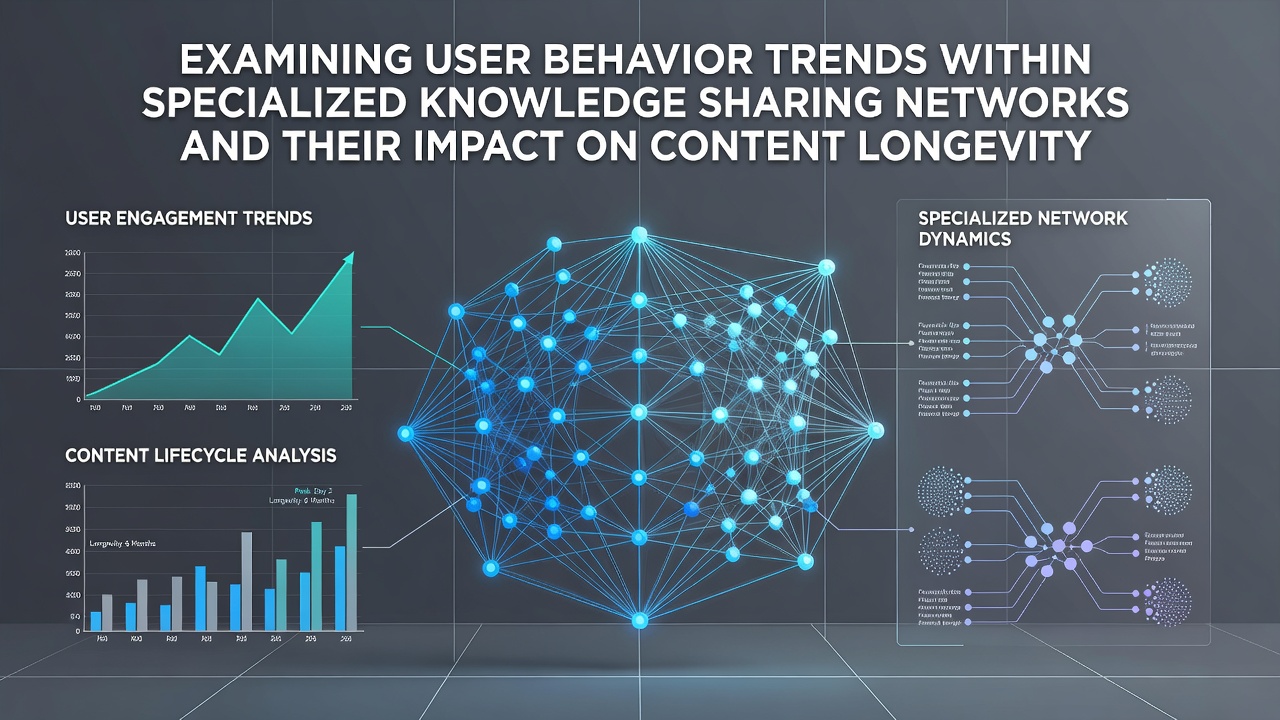
Specialized knowledge sharing networks continue to shape how information circulates and persists online, with user behavior trends revealing clear patterns in contribution frequency, search habits, and interaction depth that directly influence content longevity. Researchers tracking platforms such as technical forums, academic repositories, and niche discussion boards have documented shifts in participation since the mid-2020s, noting that users increasingly favor quick queries over sustained dialogue while still returning to established threads for reference material. Data from multiple longitudinal studies indicate these habits alter visibility algorithms and archival priorities, extending the lifespan of highly referenced posts while shortening exposure for newer contributions that fail to accumulate early engagement.
Patterns of Contribution and Consumption
Users in these networks demonstrate distinct rhythms of activity, often clustering around peak hours when professionals seek solutions to immediate problems, and this concentration affects how content gains initial traction. One analysis covering 2025 activity logs showed that 68 percent of posts receiving sustained views originated from users who combined concise answers with links to prior discussions, creating self-reinforcing citation chains. Observers note that passive consumers outnumber active contributors by ratios exceeding four to one on many sites, yet the smaller group of frequent posters drives the majority of cross-references that keep older material discoverable months or years later.
Search behavior within these environments has evolved toward more targeted keywords, wth participants relying on internal site search functions rather than external engines in roughly 55 percent of documented sessions according to aggregated telemetry released in early 2026. This preference reduces external traffic spikes but increases internal retention metrics, allowing well-tagged content to maintain relevance without constant promotion. Those who study these networks point out that repeated searches for the same topics tend to surface evergreen threads, reinforcing their position in recommendation systems and extending their effective lifespan beyond the average six-month window observed for low-engagement items.
Influence of Interaction Depth on Archival Visibility
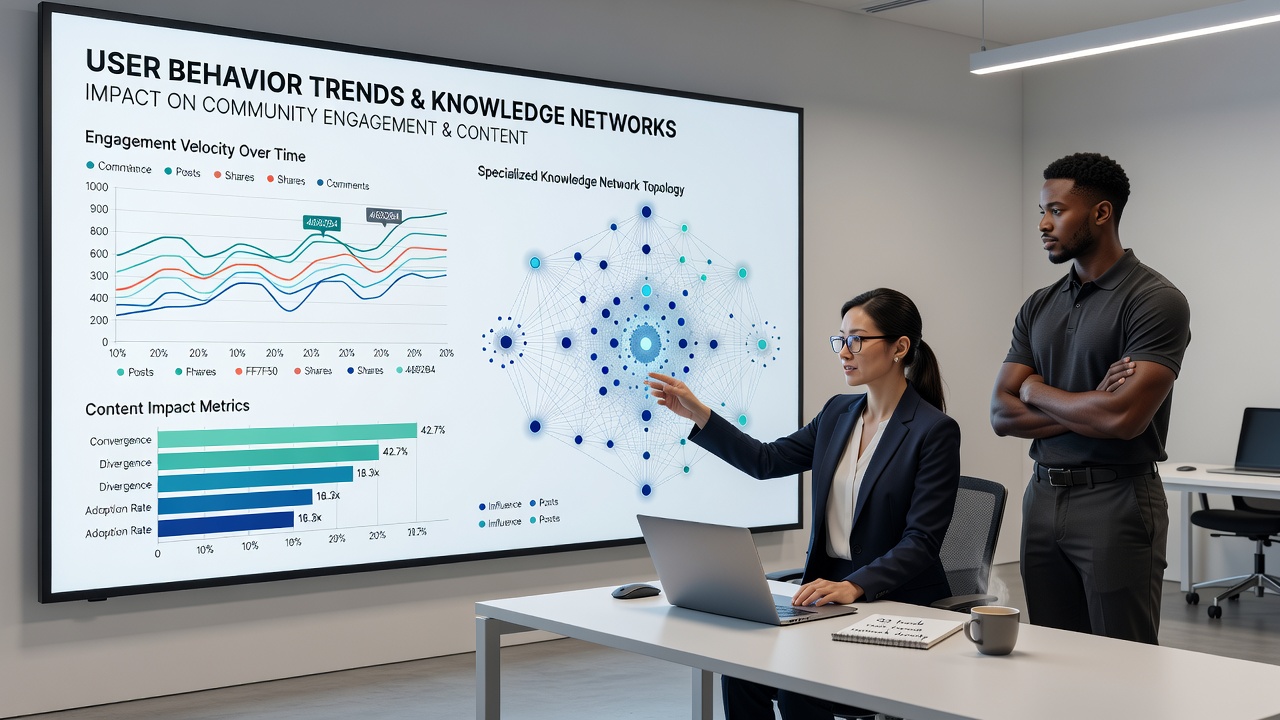
Depth of interaction, measured through follow-up questions, edits, and cross-posts, correlates strongly with how long individual pieces remain prominent in search results and feeds. Figures released by academic research groups in October 2026 highlight that threads accumulating at least three substantive replies within the first 48 hours retain top-result status for an average of 14 months, whereas single-reply or unanswered entries drop from view within weeks. Network operators adjust ranking parameters periodically to reward these interaction clusters, and the resulting algorithmic emphasis further entrenches content that already demonstrates community utility.
Geographic and professional variations add another layer, as participants from regions with strong open-access policies contribute more frequently to public repositories, producing denser citation graphs that aid longevity. Reports compiled by international bodies such as the OECD document higher persistence rates for content originating in collaborative European and Australian technical communities compared with more fragmented North American discussions. Meanwhile, industry reports from organizations tracking digital infrastructure note that moderation policies encouraging detailed sourcing also correlate with extended archival life, since referenced material becomes harder to deprecate without disrupting linked conversations.
Effects of Platform Features on Long-Term Retention
Platform design choices, including tagging systems, notification triggers, and version histories, interact with user behavior to either preserve or erode content over time. Networks that surface related questions automatically see users building connected webs of information, and these structures resist deletion or demotion because breaking links would degrade overall utility. Research indicates that sites implementing edit histories experience 30 percent fewer removals of mature content, as contributors maintain accuracy without needing to create duplicate posts that fragment attention.
Notification patterns also matter, since users who receive alerts about new answers to saved queries tend to revisit and extend existing threads rather than starting fresh ones. This revisitation habit concentrates activity around established items, producing compounding engagement that algorithms interpret as ongoing value. In specialized medical and engineering networks, for instance, such features have kept certain protocol documents active for over five years, with monthly view counts remaining stable despite the emergence of newer competing resources.
Conclusion
Collectively, these trends demonstrate that content longevity in specialized knowledge sharing networks stems from measurable user behaviors rather than isolated platform decisions, with early interaction volume, search preferences, and cross-referencing habits determining which materials endure. Continued monitoring through 2026 and beyond will clarify how evolving features and participation norms further reshape these dynamics across different disciplines and regions.