Tina Reed · 11 September 2026
How Platform Updates Influence Content Syndication Patterns for Independent Publishers
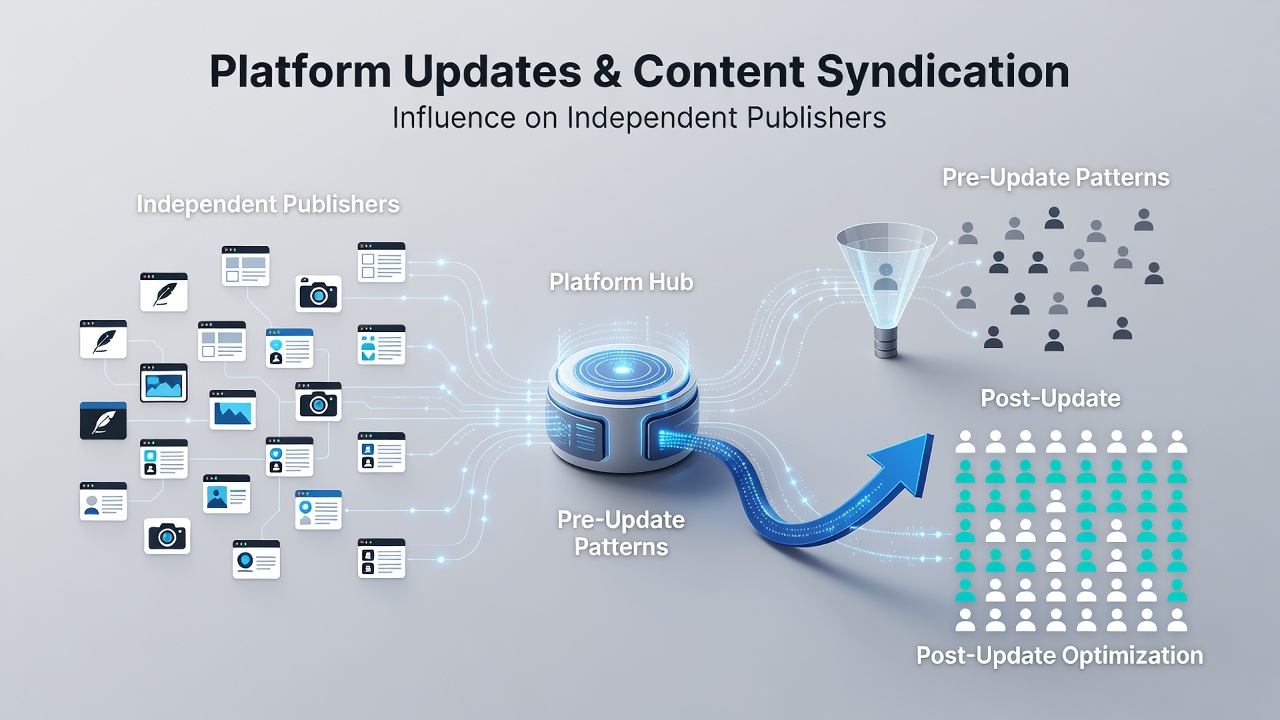
Platform updates reshape content syndication patterns for independent publishers through a combination of algorithm revisions, policy adjustments, and infrastructure modifications that directly affect distribution reach and engagement metrics. These changes occur regularly across major networks including search engines, social platforms, and content aggregators, and they force publishers to recalibrate their syndication strategies to maintain visibility. Data from industry monitoring services shows that updates in 2025 and 2026 produced measurable shifts in how articles, videos, and other materials travel between sites and external channels.
Core Mechanisms Behind Syndication Shifts
Algorithm modifications typically prioritize certain content types while de-emphasizing others, and this directly influences which pieces independent publishers choose to syndicate. When platforms adjust ranking signals to favor original reporting or longer-form material, publishers respond by adjusting their distribution schedules and partner selections accordingly. Research from academic institutions tracking digital media ecosystems indicates that these adjustments often lead to concentrated syndication on fewer channels rather than broad scattering across multiple outlets. In September 2026 several major platforms introduced updated ranking frameworks that placed greater weight on user retention signals, prompting publishers to test syndication on emerging aggregation services that reward dwell time over initial clicks.
Policy changes around data sharing and content licensing also play a significant role because they determine what material can move between domains without triggering restrictions. Observers note that updates to terms of service frequently coincide with new syndication limitations, especially for publishers relying on automated distribution tools. Figures from European regulatory bodies monitoring digital markets reveal that such policy revisions have prompted independent outlets to develop direct partnerships with select syndication networks instead of depending on open APIs that face sudden limitations.
Observed Patterns in Distribution Channels
Independent publishers have demonstrated consistent adaptation behaviors following major updates, including increased focus on niche syndication partners and greater investment in owned distribution lists. Studies conducted by research groups in Canada and Australia document how smaller outlets reduced reliance on dominant social platforms after visibility drops and redirected material toward newsletter services and specialized content hubs. These shifts appear most pronounced when updates coincide with changes in monetization rules, as revenue considerations influence which syndication avenues receive priority.
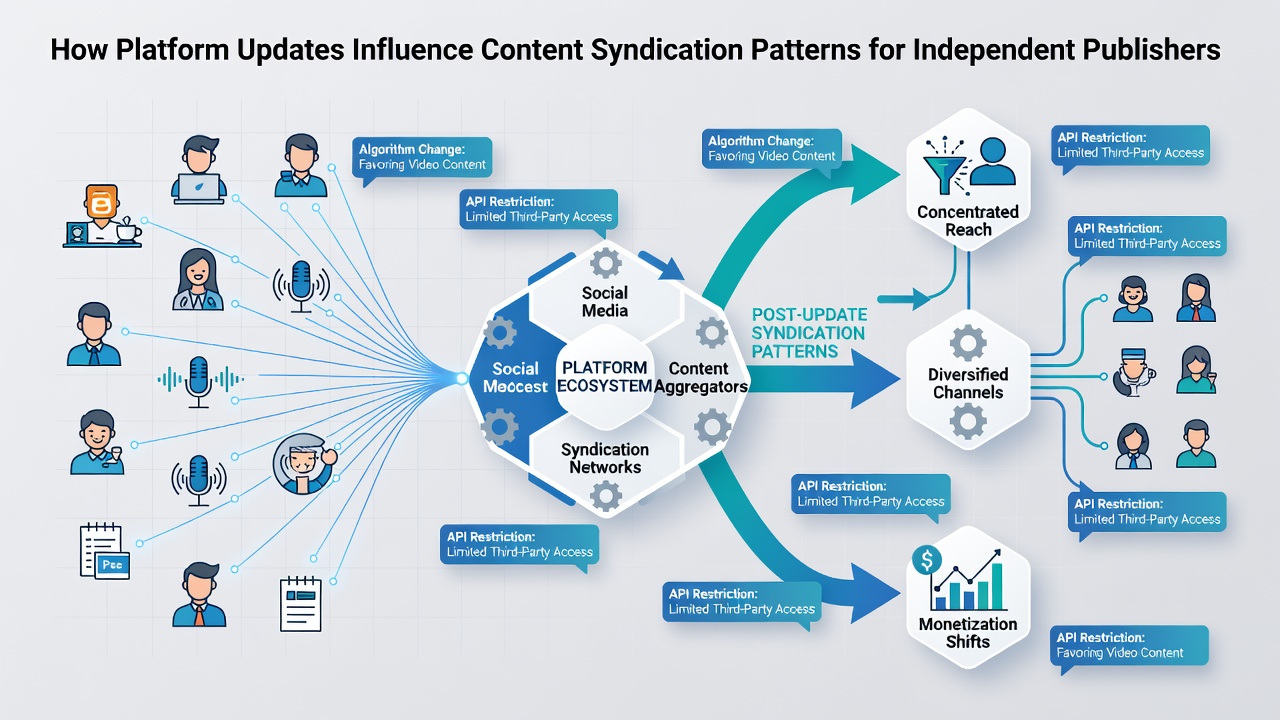
Traffic analytics from multiple outlets illustrate that syndication volume on certain channels can decline by double-digit percentages within weeks of an update rollout. Publishers then experiment with new formats such as audio summaries or interactive embeds that align with revised platform preferences. Those who've tracked these cycles over several years report that recovery periods vary depending on the scale of the change and the speed with which publishers implement technical adjustments like updated schema markup or revised RSS configurations.
Regional and Sector Variations
Geographic differences emerge in how updates affect syndication because regulatory environments and audience behaviors differ across markets. Publishers operating primarily in European markets have responded to digital services legislation by diversifying syndication partners earlier than those focused on other regions, according to reports from the European Commission on platform accountability. In contrast, outlets serving audiences in Asia-Pacific territories show faster adoption of local aggregation platforms following global network adjustments, as documented in analyses from regional media research centers. Sector-specific patterns also surface, with news organizations exhibiting quicker pivots than lifestyle or educational publishers because timeliness remains central to their distribution model.
Technical Adaptations and Measurement Practices
Publishers implement various technical responses including refined content tagging systems and enhanced tracking setups to monitor syndication performance post-update. These adaptations allow teams to identify which distribution paths retain value after algorithm shifts occur. Industry reports highlight that organizations maintaining detailed syndication logs can isolate the effects of specific changes more effectively than those relying on aggregate analytics alone. Academic papers examining media economics note that such measurement practices correlate with sustained reach across multiple channels even during periods of platform volatility.
Conclusion
Platform updates continue to drive measurable evolution in content syndication patterns for independent publishers through combined effects on algorithms, policies, and technical requirements. Evidence from regulatory bodies, academic studies, and traffic data across regions demonstrates consistent adaptation responses that include channel diversification, format experimentation, and refined measurement approaches. These patterns reflect ongoing interactions between platform infrastructure and publisher distribution decisions rather than isolated events.