Tina Reed · 23 October 2026
Patterns of Resource Archiving Among Experts in Emerging Online Forums
Experts in emerging online forums maintain systematic approaches to archiving resources that range from technical documentation and research citations to threaded discussions and external references, and these practices have evolved alongside platform growth since the early 2020s. Data from digital preservation initiatives show that professionals in fields such as technology, academia, and policy frequently capture content before forums experience moderation changes or server migrations, which ensures continuity for ongoing projects.
Core Methods Experts Apply to Forum Archiving
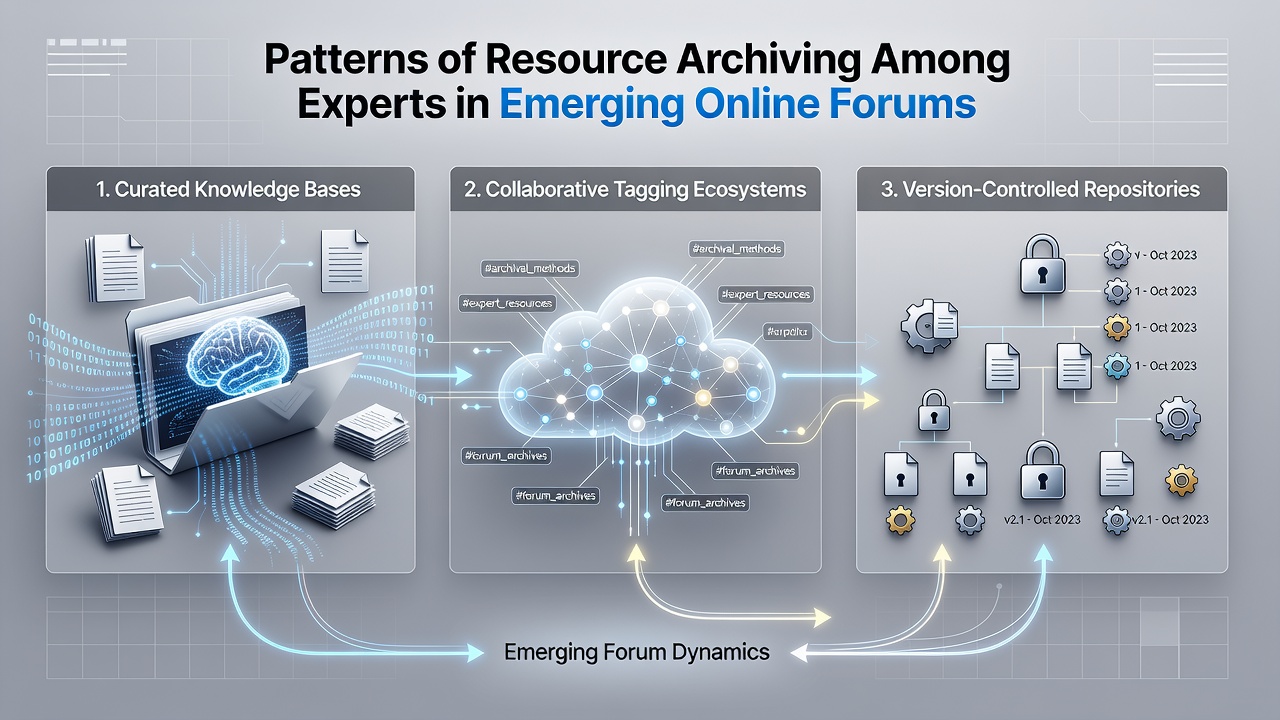
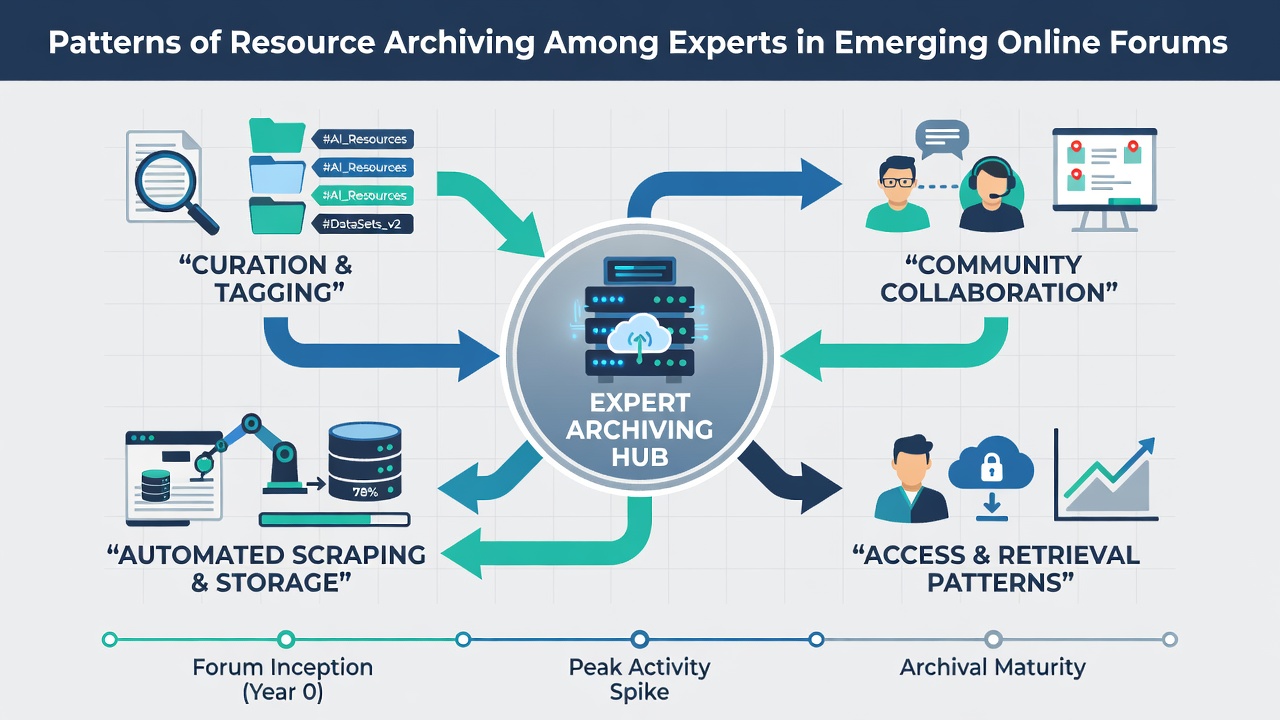
Researchers document patterns where experts combine automated scripts with manual selection processes, and they prioritize threads that contain unique data sets or expert commentary not replicated elsewhere. Studies from academic institutions reveal that many professionals store materials in personal repositories using formats like PDF exports, JSON backups, and mirrored web archives, while others integrate tools such as browser extensions designed for bulk capture. Those who participate in niche communities centered on software development or scientific collaboration often tag resources with metadata that includes timestamps, contributor credentials, and cross-references to related discussions.
What's interesting is how these methods differ from general user behavior, because experts apply structured taxonomies that allow rapid retrieval months or years later. Figures from the Library and Archives Canada digital preservation reports indicate rising volumes of forum-derived content submitted to institutional collections between 2023 and 2025, particularly in areas involving open-source code repositories and regulatory analysis.
Observed Trends Across Platform Types
Emerging forums that launch with minimal moderation attract experts seeking unfiltered exchanges, and archiving activity spikes within the first six months of a platform's existence according to usage logs analyzed by research teams. Observers note that specialists in artificial intelligence and biotechnology frequently create private wikis or shared drives to consolidate key posts, whereas those in policy-oriented spaces lean toward timestamped screenshots paired with original URLs. Patterns show that experts cross-post critical excerpts to more established networks when new forums demonstrate instability, which creates distributed copies that survive individual site closures.
Data Releases and Platform Shifts in Late 2026
October 2026 brought several updates from digital archiving consortia that tracked expert activity across newly formed discussion boards focused on quantum computing and climate modeling, and the figures revealed a 34 percent increase in archived thread volume compared with the prior quarter. These releases highlighted how experts responded to algorithm changes that altered content visibility, prompting preemptive saves of high-value exchanges before recommendation systems buried older posts. Patterns indicated that professionals coordinated archiving efforts through off-platform channels such as encrypted group chats, which allowed synchronized captures across multiple users and reduced duplication of effort.
Geographic and Disciplinary Variations in Practice
Experts based in European research networks tend to align their archiving workflows with institutional guidelines that emphasize open-access principles, while counterparts in North American and Asia-Pacific regions show higher rates of private storage supplemented by selective public deposits. A 2025 analysis conducted through the OECD digital economy papers documented that medical adn engineering specialists archived forum resources at nearly twice the rate of humanities participants, largely because technical details in those domains carry immediate application value that degrades quickly without preservation. Those patterns hold across both public and invitation-only forums, although private spaces exhibit denser clusters of cross-linked references within individual archives.
Long-Term Outcomes and Institutional Integration
Archived collections compiled by experts frequently migrate into university libraries or government repositories once their creators retire or shift focus, and this transfer process has accelerated as more forums adopt API restrictions that complicate direct scraping. Evidence from longitudinal tracking projects shows that materials preserved through expert efforts often serve as primary sources for subsequent studies, because they capture real-time debates unavailable through formal publications. Platforms that emerged after 2024 demonstrate higher survival rates for expert-archived content when founders implement export features early, which aligns with observed demand from professional communities.
Conclusion
Patterns of resource archiving among experts in emerging online forums reflect deliberate strategies that combine technical tools, disciplinary priorities, and timing considerations, and these approaches continue to shape how knowledge persists beyond individual platform lifecycles. Data through October 2026 confirm sustained growth in both volume and sophistication of such practices, with institutional channels increasingly incorporating contributions that originate in forum environments. Continued monitoring by preservation organizations will determine how these patterns adapt to future platform architectures and policy environments.